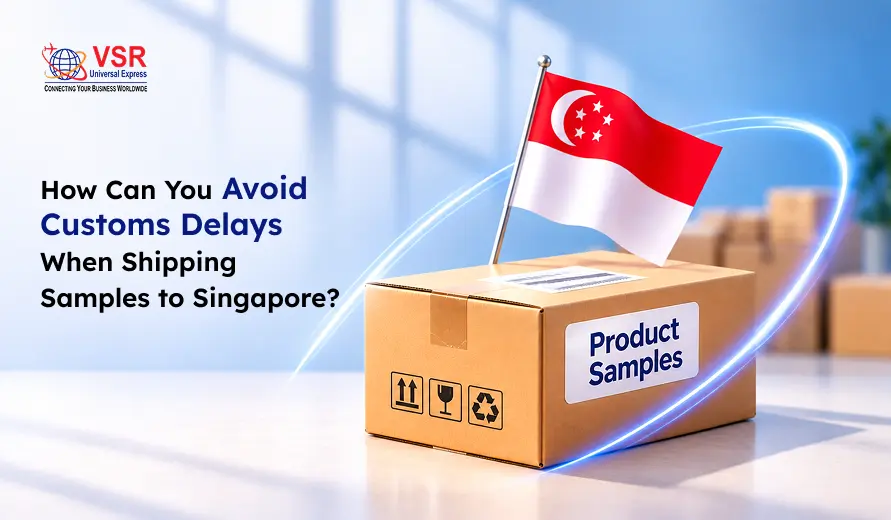
International shipping plays an important role in business growth, especially for companies that regularly exchange product samples with overseas clients, suppliers, and business partners. Singapore is one of Asia's leading commercial and trading destinations, making it an important market for Indian exporters and manufacturers. Businesses often send fabric samples, product prototypes, electronic components, promotional materials, and other sample items to Singapore for inspection, testing, and approval.
However, customs clearance can sometimes become challenging if the shipment contains incomplete documentation, incorrect product descriptions, or missing information. Understanding the shipping process and preparing everything properly can help businesses avoid unnecessary delays. If you plan to ship business samples to Singapore, following the right customs procedures will make international delivery smoother and more reliable.
Understand Singapore's Customs Requirements
Before sending any shipment, it is important to understand Singapore's import regulations. Every international parcel entering Singapore must follow the applicable customs requirements. Depending on the type, value, and purpose of the goods, different documents or approvals may be required.
Business samples are generally sent for demonstration, evaluation, testing, or promotional purposes. However, customs authorities still need accurate information about the contents of the shipment.
Before arranging your shipment, check whether your samples fall under any restricted or controlled product category. Certain items, including specific electronic equipment, chemicals, food products, cosmetics, and medical-related goods, may require additional permits or approvals.
Understanding these requirements in advance can reduce the possibility of customs inspections and unexpected delays.
Prepare Accurate Commercial Invoices
A commercial invoice is one of the most important documents for international shipping. It provides customs authorities with essential information about the sender, recipient, shipment contents, and declared value.
When preparing an invoice, make sure all information is accurate and complete. Include the following details:
- Sender's complete name and address.
- Recipient's name, business address, and contact number.
- Clear description of each sample item.
- Quantity and declared value.
- Country of origin.
- Reason for export.
- Appropriate HS code, where applicable.
Avoid using unclear descriptions such as "samples," "gift items," or "business products." Instead, mention the exact contents, such as "cotton fabric samples – 5 pieces" or "plastic packaging samples – 3 units."
Even if the shipment is not intended for commercial sale, you should declare a reasonable and accurate customs value. Writing zero value or an unrealistic amount can create questions during customs assessment.
Use the Correct HS Codes
HS codes are internationally used product classification codes that help customs authorities identify imported and exported goods. Selecting the correct code is important because different products may have different customs duties, taxes, and regulatory requirements.
For example, textile samples, electronic components, plastic products, and machinery parts may fall under different classifications.
Incorrect HS codes can result in customs queries, additional inspections, or shipment delays. Therefore, businesses should verify the correct classification before dispatching their parcels.
If you are unsure about the appropriate HS code, consult your courier company or a customs professional for assistance.
Clearly Declare the Purpose of Business Samples
One common reason for customs delays is an unclear explanation of why the goods are being shipped.
When you ship business samples to Singapore, clearly mention whether the items are being sent for product testing, quality inspection, customer evaluation, or demonstration purposes.
For example, if you are sending textile samples to a Singapore-based buyer, mention that the shipment contains fabric swatches for quality evaluation and is not intended for retail sale.
Providing a clear purpose helps customs authorities understand the nature of the shipment. However, remember that samples may still require proper valuation and applicable documentation, even when they are not being sold.
Check Singapore's Restricted and Controlled Items
Not every product can be imported into Singapore without additional approval. Some products are regulated by government agencies and may require special permits, certificates, or supporting documents.
Before shipping, check whether your samples include:
- Food and food-related products.
- Cosmetics and skincare samples.
- Medicines and medical equipment.
- Chemicals and laboratory materials.
- Wireless communication devices.
- Certain electronic and electrical products.
Depending on the product category, approval from the relevant Singapore authority may be necessary.
Checking these requirements before dispatch can help prevent shipments from being held for additional verification.
Choose Strong and Appropriate Packaging
Proper packaging protects business samples during transportation and reduces the risk of damage or inspection-related complications.
Use packaging materials suitable for the product's size, weight, and nature. Fragile samples should be wrapped with bubble wrap or protective foam, while liquid products may require leak-resistant packaging and additional protective materials.
Follow these packaging practices:
- Use strong and durable corrugated boxes.
- Wrap fragile items individually.
- Fill empty spaces with protective cushioning.
- Seal the parcel securely with strong packing tape.
- Attach shipping labels clearly.
- Keep commercial documents accessible as instructed by your courier.
Good packaging helps ensure that your samples arrive in Singapore in their original condition.
Provide Complete Recipient Information
Incorrect or incomplete delivery details can create problems during customs clearance and final delivery.
Always provide the recipient's full name, company name, complete Singapore address, postal code, and active contact number. If the parcel is being delivered to an office or warehouse, mention the correct department or recipient wherever necessary.
A valid email address is also useful because customs authorities or courier representatives may need additional information from the recipient.
Accurate contact details help resolve customs queries quickly and prevent unnecessary delivery attempts.
Select a Reliable International Courier Company
Choosing an experienced courier partner is another important step in avoiding customs delays. A professional courier company can guide you through documentation, packaging, shipment preparation, and customs procedures.
Businesses sending samples regularly should select a courier service that offers international tracking, shipment updates, customs documentation support, and reliable delivery services.
A dependable international courier service to Singapore can also help identify missing documents before dispatch, reducing the chances of avoidable problems during transportation.
Before booking, compare delivery options, estimated transit times, service coverage, and customs assistance.
Track Your Shipment After Dispatch
Your responsibility does not end once the parcel leaves India. Tracking the shipment helps you understand its movement and identify potential delays.
Most professional courier companies provide tracking numbers that allow customers to monitor their parcels online.
Pay attention to shipment updates such as:
- Shipment picked up.
- Departed from the origin country.
- Arrived in Singapore.
- Customs clearance in progress.
- Customs clearance completed.
- Out for delivery.
If the tracking status shows that customs clearance is pending, contact your courier company to understand whether additional documents, permits, or information are required.
Responding quickly to customs requests can help prevent further delays.
Keep All Shipping Documents Ready
Maintaining complete shipping records is especially important for businesses that regularly send samples overseas.
Depending on the product and shipment requirements, the following documents may be needed:
- Commercial invoice.
- Packing list.
- Air waybill.
- Product specifications.
- Certificate of origin, if applicable.
- Relevant permits or product certificates.
Keep digital copies of these documents for future reference. Having them readily available makes it easier to respond to customs enquiries and manage repeat shipments.
Final Words
Shipping business samples internationally requires proper planning, accurate documentation, and an understanding of destination-country regulations. Singapore offers excellent business opportunities for Indian manufacturers, exporters, and suppliers, but customs requirements should never be overlooked.
If you want to ship business samples to Singapore without unnecessary complications, prepare accurate commercial invoices, use the correct HS codes, check restricted products, provide complete recipient details, and choose a reliable international courier partner.
Taking these precautions before dispatch can help reduce customs-related issues and ensure your business samples reach Singapore safely and on time. A well-prepared shipment also creates a professional impression and helps maintain smooth relationships with international clients.
Table of Contents
- Understand Singapore's Customs Requirements
- Prepare Accurate Commercial Invoices
- Use the Correct HS Codes
- Clearly Declare the Purpose of Business Samples
- Check Singapore's Restricted and Controlled Items
- Choose Strong and Appropriate Packaging
- Provide Complete Recipient Information
- Select a Reliable International Courier Company
- Track Your Shipment After Dispatch
- Keep All Shipping Documents Ready
- Final Words